Feng Shui Governs How They Work

We apply Feng Shui as a spatial science, the same precision we bring to proportion, orientation, light, and material.

What Does Feng Shui Mean to Us?

The direction your entrance faces, how light moves through a room, where air flows, and where it settles, all these decisions shape how space feels to live long-term. Feng Shui is the discipline that governs all of it. At Le Lume, we integrate it from scratch into interior design decisions. Feng Shui is not a belief system we ask you to adopt. It is a spatial discipline we apply on your behalf with the same accuracy we bring to every design decision.
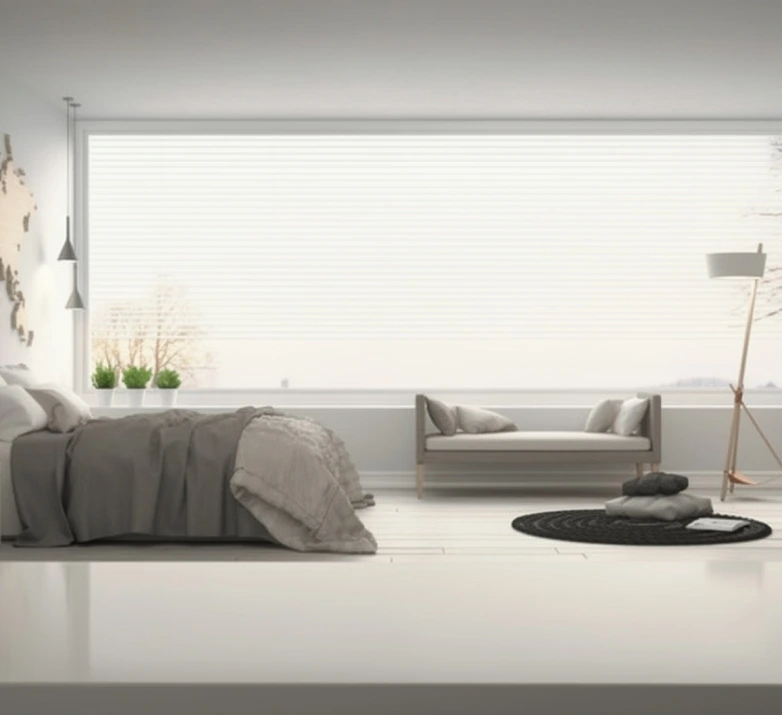
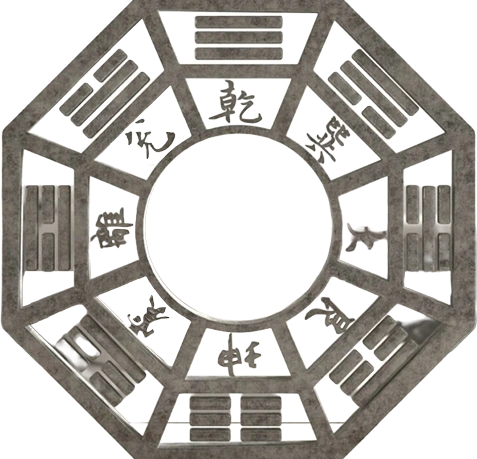
We Integrate Feng Shui From the Start.

01

Share your space

Tell us what you have: the floor plan, the site, the intended use, or simply tell us your situation. We take it from there.

02

We design it in

Feng Shui logic is integrated from the first concept: orientation, flow, spatial proportion, light, and materiality working as one system.

03

We build it

Our own construction team executes every design from start to finish. Our construction team builds everything we design, from start to finish.

How Feng Shui Can Bring Prosperity to Your Place.

Where most treat it as tradition, we treat it as precision. We aren’t brushing off its history; just pointing out that its history was scientific all along. From design through construction, everything is done under one roof. So, we maintain the same standard with every stage.

Carry Positivity Inside Your House

We Pinpoint How Feng Shui Balances the Energy of Your Place.

We look at your floor plan, your orientation, how rooms connect, and where light falls. Then we design around what we find, so every part of your space works together.

From a single room to a full build, we apply Feng Shui spatial logic to every scale of the living environment. It is totally adjusted to how your household moves and functions.

Condominium
Bungalow
Villa
Penthouse
Home Office
Double-Storey

Tell us about your space. We'll tell you what's possible.

Residential or commercial, we can share a clear vision of the installation. Le Lume Studio starts from wherever you are. Even if you have no idea what you want yet, that’s honestly the best place to start. It’s a decision we make with you, for a specific room, with a specific result in mind.

Start a Conversation

FAQs on Feng Shui

We apply Feng Shui as a spatial science, the same precision we bring to proportion, orientation, light, and material.

What is Feng Shui in interior design?

Feng Shui in interior design is the practice of arranging a space: its orientation, layout, light, airflow, and material placement to support how people feel and function inside it. It is a spatial discipline, not a decorative one.

Feng Shui works by governing decisions that affect human experience at a subconscious level. Such as the direction an entrance faces, how air moves through rooms, where natural light lands, and how spaces connect to each other. These decisions shape how a space feels before you notice what it looks like.

Yes. Modern Feng Shui removes folklore and applies spatial logic: proportion, orientation, flow, and placement within contemporary design. It works with any aesthetic, including minimal and architectural styles.

No. The principles are spatial and affect human behaviour regardless of belief. A correctly oriented room with proper airflow and considered proportions performs better whether you call it Feng Shui or environmental psychology.

Regular interior design governs how a space looks. Feng Shui interior design governs how a space works on the people inside it, addressing orientation, energy flow, and spatial logic that goes beyond aesthetics.

Yes. Feng Shui principles apply to offices, retail spaces, restaurants, and hospitality environments. Correct spatial flow in a commercial setting directly influences how clients, staff, and visitors experience and move through the space.

From the very first design decision, not after the layout is finalised. Feng Shui integrated from the start shapes orientation, room placement, and spatial flow at a structural level. Added at the end, it can only address surface elements.

Entrance orientation, natural light movement, airflow, room proportion, furniture placement, material selection, and how spaces connect and flow, all relative to how the space will be used and by whom.

Yes. Properties designed with Feng Shui principles consistently command stronger buyer interest in Malaysia, particularly among Chinese Malaysian buyers. Beyond resale, a space that functions correctly holds its value in daily quality of life.

We begin by reading what already exists, the floor plan, orientation, site conditions, and intended use, then design from those first principles. The less decided, the more that can be done correctly from the start.